Showing posts with label native plants. Show all posts

Sunday, July 31, 2016

July 17, 2016 NPG tours (NYBG) - guest post

July 17, 2016
Native Plant Garden tours, New York Botanical Garden
Guest post by Joel Nevis y Flores

I was scheduled for three tours today so I arrived early and as the first one to explore the rose bay trail I met up with a garter snake. I was looking for mayapple fruit on the plant or on the ground so I didn’t notice my friend until were were quite close then I was quite startled; the snake, too, which darted for the forest. I had only two people on my 11:00a tour, three for 12:30p but eight at 2:30p during the hottest time of day. Temps started at 84F (real feel 88F) and rose to 89F (real feel 94F). Pollens were mercifully low (some ragweed, tree, grass and plantain pollens) but the City had issued a mosquito alert (due to the presence of West Nile virus) as well as an air quality alert. 

Here is what I saw in the NPG:

photo by Joel A. Nevis y Flores, 2016, for public use only with acknowledgement
Amelanchier (Shadbush, Serviceberry) fruit

photo by Joel A. Nevis y Flores, 2016, for public use only with acknowledgement
Asclepias incarnata (Swamp milkweed)

photo by Joel A. Nevis y Flores, 2016, for public use only with acknowledgement
Asclepias syriaca (Common Milkweed) seedpods

photo by Joel A. Nevis y Flores, 2016, for public use only with acknowledgement
Asclepias speciosa (Showy Milkweed)

photo by Joel A. Nevis y Flores, 2016, for public use only with acknowledgement
Asclepias tuberosa (Butterflyweed)

photo by Joel A. Nevis y Flores, 2016, for public use only with acknowledgement
Echinacea purpurea

photo by Joel A. Nevis y Flores, 2016, for public use only with acknowledgement
Euphorbia corollata (Flowering Spurge)


photo by Joel A. Nevis y Flores, 2016, for public use only with acknowledgement
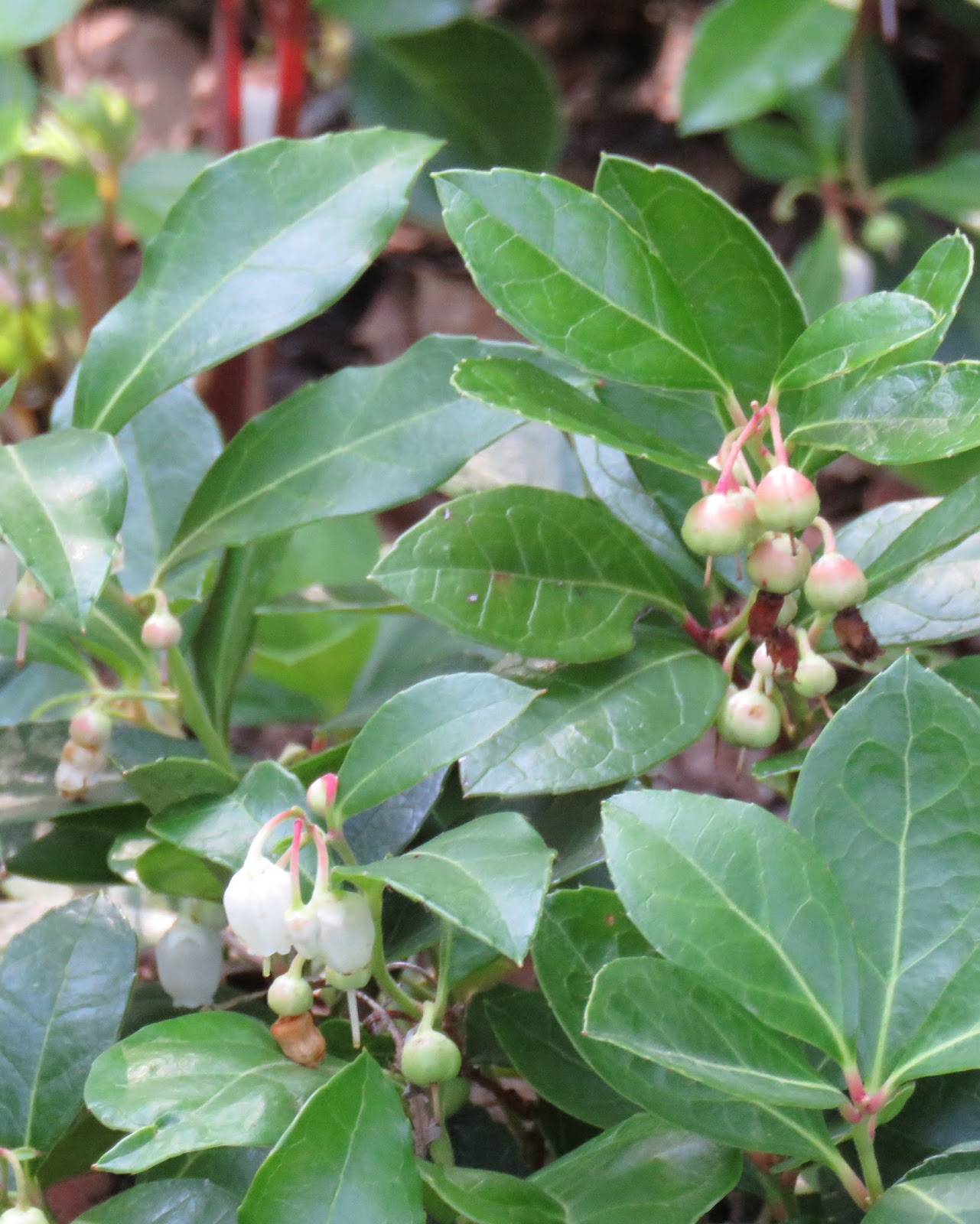
Gaultheria procumbens (Wintergreen, Eastern Teaberry, Checkerberry) fruit and flower

photo by Joel A. Nevis y Flores, 2016, for public use only with acknowledgement
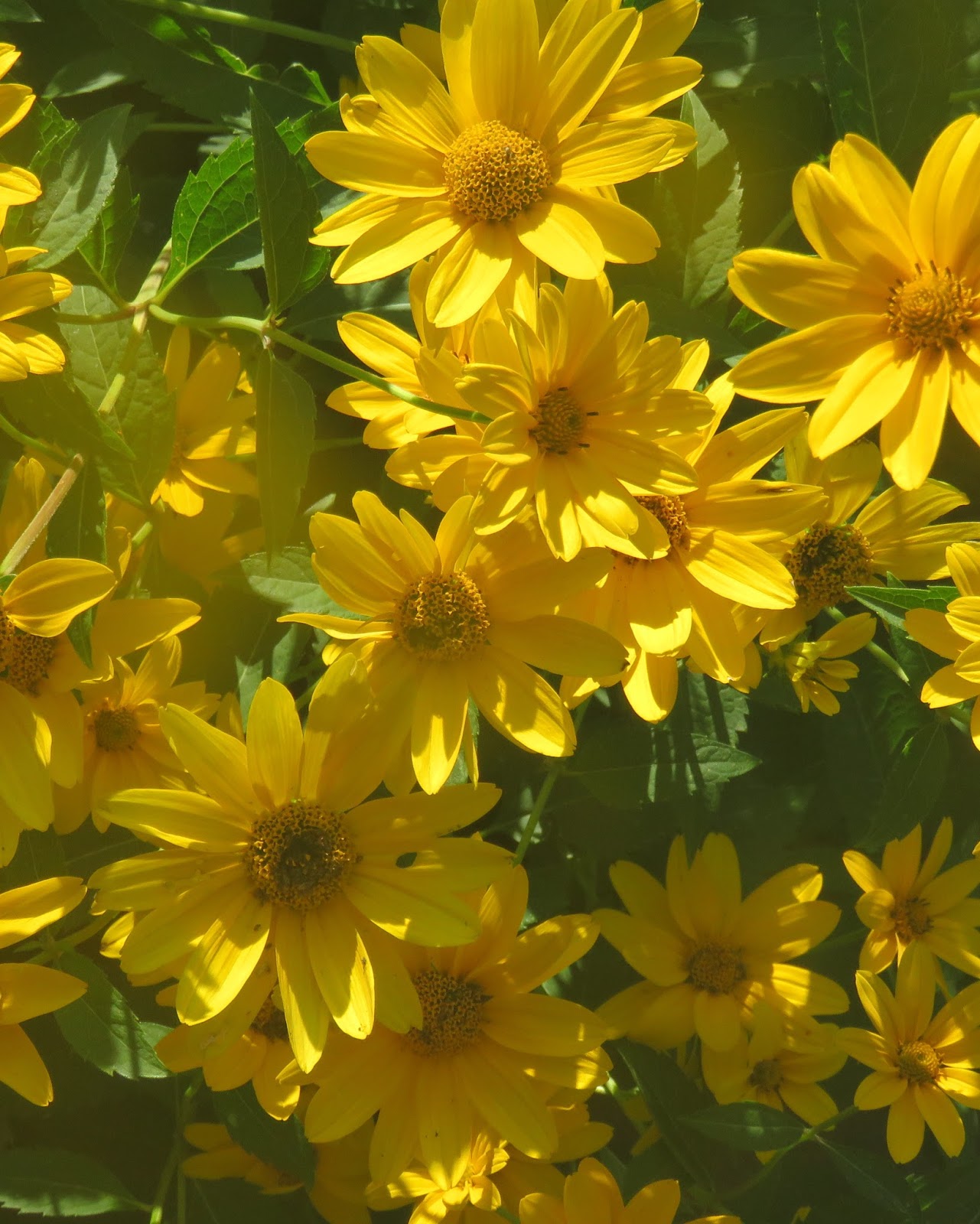
Heliopsis helianthoides (Ox-Eye Sunflower)

photo by Joel A. Nevis y Flores, 2016, for public use only with acknowledgement
Liatris (Gayfleather)

photo by Joel A. Nevis y Flores, 2016, for public use only with acknowledgement
Monarda punctata (Spotted Beebalm)

photo by Joel A. Nevis y Flores, 2016, for public use only with acknowledgement
Myrica pensylvanica (Bayberry) seeds

photo by Joel A. Nevis y Flores, 2016, for public use only with acknowledgement
Phlox

photo by Joel A. Nevis y Flores, 2016, for public use only with acknowledgement
Pycnanthemum muticum (short-toothed mountain mint)


photo by Joel A. Nevis y Flores, 2016, for public use only with acknowledgement
Pycnanthemum tenuifolium (Narrowleaf mountain mint)

photo by Joel A. Nevis y Flores, 2016, for public use only with acknowledgement
Ratibida pinnata (Prairie Coneflower)

photo by Joel A. Nevis y Flores, 2016, for public use only with acknowledgement
Rhexia virginica (Virginia Meadowbeauty)

photo by Joel A. Nevis y Flores, 2016, for public use only with acknowledgement

photo by Joel A. Nevis y Flores, 2016, for public use only with acknowledgement
Scutellaria (Skullcaps)

photo by Joel A. Nevis y Flores, 2016, for public use only with acknowledgement
Silene regia (Royal Catchfly)

photo by Joel A. Nevis y Flores, 2016, for public use only with acknowledgement
Trautvetteria caroliniensis (False Bugbane)

photo by Joel A. Nevis y Flores, 2016, for public use only with acknowledgement
Veronicastrum (Culver's Root)

Amelanchier fruit 
Aquilegia canadensis
Aralia racemosa
Asclepias incarnata
Asclepias syriaca seedpod
Asclepias speciosa
Asclepias tuberosa
Baptisia alba pods
Boltonia asteroides
Callirhoe bushii
Calopogon tuberosus
Campanula americana
Campanula rotundifolia
Chionanthus virginicus fruit (which I read is edible when processed as an olive but reputedly does not taste very good)
Cimicifuga racemosa
Clematis ochroleuca seeds
Coreopsis lanceolata
Dicentra canadensis
Dicentra eximia
Echinacea paradoxa
Echinacea purpurea
Erigeron
Eryngium yuccifolium
Euphorbia corollata
Eutrochium
Gaultheria procumbens
Geranium macrophylla
Halesia
Hamamelis virginiana
Heliopsis helianthoides
Heuchera villosa
Hibiscus moscheutos
Hydrangea quercifolia
Ilex glabra (still green)
Ilex opaca berries (still green)
Juncus effusus seeds
Liatris
Lobelia cardinalis
Lysimachia
Magnolia virginiana
Maianthemum racemosum
Maianthemum stellatum
Mentha canadensis
Monarda fistulosa
Monarda punctata
other monardas
Myrica pensylvanica seeds
Opuntia
Osmunda regalis
Parthenium integrifolium
Penstemon seeds
Phlox paniculata
Podophyllum peltatum
Polygonatum
Pontederia cordata
Pycnanthemum muticum
Pycnanthemum tenuifolium
Ratibida pinnata
Rhexia virginica
Rhododendron maximum
Rhynochospora latifolia
Rosa virginiana
Sabatia kennedyana
Sarracenia x excellens
Sarracenia x mitchelliana
various Sarracenias
Scutellaria
Silene regia
Solidago
Spigelia marilandica
Stylophorum diphyllum
Thalictrum pubescens
Trautvetteria caroliniensis
trillum seed
Veronicastrum
Vicia
Zizia

There were also non-native Convolvulus arvensis (field bindweed) and Daucus carota (wild carrot) in meadow

photo by Joel A. Nevis y Flores, 2016, for public use only with acknowledgement
Convolvulus arvensis (non-native)

photo by Joel A. Nevis y Flores, 2016, for public use only with acknowledgement
Daucus carota (non-native)

Sunday, June 5, 2016

Native Plant Garden: June 11, 2015


From my archives:  Native Plant Garden, New York Botanical Garden

Marcia Strean
June 11, 2015


Blooming new this week: Spigelia marilandica Pink Root/Wormgrass. Native Americans used it to expel tapeworms and they taught their technique to colonists. The difference between poison and medicine is often a matter of how much used, and how carefully. Spigelia is a case in point.

Does well in gardens and the flowering season can be prolonged by removing the flowers as they wither.
2015 photo by Joel Nevis y Flores, for public use only with acknowledgement
Spigelia marilandica


Inkberry Ilex glabra in bloom today; easy to miss the 1/4 inch flowers. Berries will follow, used by Native Americans for ink. 

Plymouth Rose Gentian Sabatia kennedyana The folklore says that the Pilgrims of 1620 named the plant after the Sabbath, the holy day on which they first saw the flower.

2015 photo by Joel Nevis y Flores, for public use only with acknowledgement
Sabatia kennedyana

Phlox, numerous species of Beardtongue, Wild Bleeding Heart, Red and White Clover (non- native to be removed), Baptisia, Wild Quinine, Bluestar, Columbine, Fleabane, Mountain Laurel, Meadow Rue, Solomon’s Seal, Wild Ginger flowers still there, one Lady’s Slipper, Bowman’s Root, Iris, Common Rush, Pitcher Plants, Ladies’ Tresses, Pickerel Weed in the water, Iris, Common Rush, Golden Alexanders under the River Birch (but elsewhere the remains were being cut back), Milkweed, Butterfly Weed Asclepius tuberosa, Spiderwort, Lanceleaved Coreopsis, Black-eyed Susan, Yellow Coneflower, Poppy, Mallow, Deptford Pink, Coneflower, Cactus, Beebalm, Fire Pink Silene virginica, Dog Hobble, Queen Columbine, Celandine Poppy, Alumroot Heuchera, Sorrel, Magnolia, Dogwood, Narrow-leaved Blue-eyed Grass.


See the apples on Mayapple. Stop to hear the frog croaking.


The red-berried shrub along the approach is Amelanchier Shadbush/Serviceberry.


People ask about Joe Pye Weed which is not blooming yet. By 1893 he legend had become that Joe Pye was the name of an Indian who cured typhus fever in New England by means of this plant (Dana). 

next post

first post in blog


Friday, June 3, 2016

Native Plant Garden: June 4, 2015


From my archives:  Native Plant Garden, New York Botanical Garden

Marcia Strean
June 4, 2015


Approaching the NPG, along the edge, pink flower, five petals with opposite entire leaves, about one foot tall, newly opened, are Phlox. (I learned to differentiate at a distance this similar looking flower from Dame’s Rocket because Phlox has five petals, Dame’s Rocket four but with very different leaves.)

What a difference a week makes! NPG gardener Meg says, “It’s a new season.” Much greener look, fewer blooming plants.

Dwarf Beardtongue and numerous species of Beardtongue, Wild Bleeding Heart (plus a white variety), Wild Quinine, Iris, Bluestar, Columbine, very little of Shooting Star, Fleabane, Partridgeberry, Twinleaf, Kentucky Lady’s Slipper,Robin’s Fleabane, Pitcher Plants, Ladies Tresses.
In the Meadow: Wild Bergamot/Beebalm, Bowman’s Root/Indian Physic/Ipecac, Lance-leaved Coreopsis, Spiderwort.

Foxglove (by the steps down to the Education Building), Hairy Chickweed (against the Rocks by the Queen Columbine), Celandine Poppy, Deptford Pink (by the rocks past the Split Rock).

Wild Blue (and Yellow) Indigo (Baptisia alba and B. australis), also called “Shoofly” because of its loose limbs; farmers would break off a stem, and use it to shoo the flies from the horses pulling their carts.

Wild Ginger: (take advantage of pointing out Wild Ginger while the unusual three-petalled, brown flowers are still blooming under the leaves).

Lots of Red Clover, which is not native, but if you are looking for four leaf clovers you are more likely to find them in the Red Clover than the White. 


2016 photo by Joel Nevis y Flores, for public use only with acknowledgement
Phlox


Friday, May 27, 2016

Wild Sweet Cicely Osmorhiza claytonii

Wild Sweet Cicely Osmorhiza claytonii is blooming at the Native Plant Garden, New York Botanical Garden, on May 26, 2016.

Osmorhiza is a genus of perennial herbs, known generally as sweet cicelysweetcicely, or sweetroot. Most species are native to North America, but some grow in South America and Asia

Descriptionlight green lacy leaves, delicate umbels of white flowers and the long, pointed seeds, smell of sweet aniseed when crushed.

Some species are used for medicinal purposes, but have dangerous lookalikes. The seeds of this plant have barbs on the end allowing them to stick to clothing, fur, or feathers.
2016 photo by Joel Nevis y Flores, for public use only with acknowledgement
Osmorhiza claytonii
American Indians used the roots of sweet cicely as a panacea; tonic for upset stomach, to ease child birth; the root was poulticed on boils, and wounds; root tea used as an eye wash.

Folk medicine uses include, an expectorant, tonic for coughs and for stomachaches.


next post

first post in blog

Wednesday, May 25, 2016

Native Plant Garden on May 22, 2016

Native Plant Garden, New York Botanical Garden, May 22, 2016
guest post by Joel A. Nevis y Flores

An overcast day with some raindrops as I entered by the Mosholu gate, where the day's events features the ongoing Impressionist exhibition but did not mention my two tours of the native plant garden. No wonder that no one was there at 12:30p for my first tour -- though a native plant enthusiast from Westchester arrived in a few minutes for a really good interaction. I had eight people for the second tour at 2:30p so maybe signs were put up by the main entrance after all. The temperature started off in the high 50s rising to about 71F, with predominant pollens from oak, mulberry and the grasses. 

With the warmer, drier weather in the afternoon, and after visitors had seen the Impressionist exhibit at the Conservatory, a number of people meandered through the Native Plant Garden. A few were alarmed by a garter snake near the white baptisias next to the entrance pavilion. But everyone who noticed was intrigued by the robin's nest in the shadbushes and by the birds bathing by the Elizabeth Knight Britton plaque (robins, bluejays, yellow warblers). And the chipmunks were extremely active that day. 
2016 photo by Joel Nevis y Flores, for public use only with acknowledgement
hungry robin chick in nest
2016 photo by Joel Nevis y Flores, for public use only with acknowledgement
American robin in shadbush, darting from nest to distraction attention
2016 photo by Joel Nevis y Flores, for public use only with acknowledgement

Eastern chipmunk (Tamius striatus)

Here is what was in bloom or of interest that day:

Amelanchier canadensis - Shadbush
Amsonia tabernaemontana - Bluestar
Anemonella thalictroides - Rue anemone
Aquilegia canadensis - Eastern red columbine
Aquilegia chrysantha - Golden columbine
Arisaema triphyllum - Jack in the pulpit
2016 photo by Joel Nevis y Flores, for public use only with acknowledgement
Arisaema triphyllum
Asarum canadense - Wild ginger
Baptisia alba - White false indigo
Baptisia australis - False indigo
Baptisia carolina - Yellow wild indigo, by the native border's dry-stacked stones
2016 photo by Joel Nevis y Flores, for public use only with acknowledgement
Baptisia carolina
Calycanthus floridus - Carolina allspice, sweetshrub
2016 photo by Joel Nevis y Flores, for public use only with acknowledgement
Calycanthus floridus
Camassia scilloides - Eastern camas, wild hyacinth
Carex - sedge (which species is growing in the wetland garden?)
Cerastium arvense - Hairy chickweed
Chionanthus virginicus  - Fringetree
Chrysogonum virginianum - Green and gold
Clematis ochroleuca  - Curlyhead
Cornus sericea - Red osier dogwood
Crataegus viridis -Green hawthorn
Cypripedium parviflorum - Yellow lady's slipper, moccasin flower
Cypripedium parviflorum parviflorum - Lesser lady's slipper orchid
Delphinium tricorne - Larkspur delphinium
Dicentra eximia - Wild bleeding heart
Diphylleia cymosa  - Umbrellaleaf
Erigeron pulchellus -Daisy fleabane
2016 photo by Joel Nevis y Flores, for public use only with acknowledgement
Erigeron pulchellus
Geranium maculatum - Cranesbill geranium
Geum triflorum  - Prairie smoke
2016 photo by Joel Nevis y Flores, for public use only with acknowledgement
Geum triflorum
Gillenia trifoliata -Bowman's root, Indian Physic, American Ipecac
2016 photo by Joel Nevis y Flores, for public use only with acknowledgement
Gillenia trifoliata

Heuchera longiflora - Longflower alumroot
2016 photo by Joel Nevis y Flores, for public use only with acknowledgement
Heuchera longiflora
Houstonia caerulea -Azure bluets
Iris cristata - Dwarf crested iris
Iris hookeri - Beachhead Iris
Kalmia angustifolia - Lambkill
Kalmia latifolia -Mountain laurel
Maianthemum stellatum - Starry false Solomon's seal
Maianthemum racemosum - False Solomon's seal
Mertensia virginiana -Virginia bluebells - one left still
Monarda bradburiana - Eastern beebalm
2016 photo by Joel Nevis y Flores, for public use only with acknowledgement
Monarda bradburiana
mushrooms on the rosebay trail
Orontium aquaticum - Goldenclub
Osmunda regalis  - American Royal fern
Osmundastrum cinnamomeum - Cinnamon fern
Parthenium integrifolium - Wild quinine
Penstemon hirsutus - Hairy beardtongue
Penstemon - some white ones I could not get close to to find out which kinds they are (probably Penstemon digitalis)
2016 photo by Joel Nevis y Flores, for public use only with acknowledgement
Penstemon
Phacelia bipinnatifolia - Purple phacelia, fernleaf phacelia
Phlox divaricata - Blue phlox
Phlox stolonifera - Creeping phlox
Podophyllum peltatum - Mayapple
Polemonium - I never can determine if Jacob's ladder is Polemonium caeruleum or Polemonium reptant
Polemonium caeruleum - Jacob's ladder
Polygonatum biflorum  - Solomon's Seal
Primula meadia -Shootingstars
Prosartes lanuginose - Yellow mandarin, Yellow fairybells
Rhododendon choptank rose
Rhododendron minus minus - Piedmont rhododendron, Carolina rhododendron
2016 photo by Joel Nevis y Flores, for public use only with acknowledgement
Rhododendron minus var. minus

Rhododendron My Mary
2016 photo by Joel Nevis y Flores, for public use only with acknowledgement
Rhododendron 'My Mary'
Rhododendron - a number of hybrids
Sarracenia  - a number of species and hybrids I can never tell apart
2016 photo by Joel Nevis y Flores, for public use only with acknowledgement
Sarracenia
Sarracenia leucophylla  - Crimson pitcherplant, Purple trumpet
Sarracenia leucophylla x oreophila -Hybrid pitcherplant
Sarracenia oreophila - Green pitcherplant
2016 photo by Joel Nevis y Flores, for public use only with acknowledgement
Sarracenia oreophila
Sarracenia x areolata - a naturally occurring hybrid between the Pale Pitcher Plant (Sarracenia alata) and the White-top Pitcher Plant (Sarracenia leucophylla)
Sedum nevii - Nevius stonecrop
Sisyrinchium angustifolium - Narrow-leaf blue-eyed grass
Stylophorum diphyllum - Celandine Poppy
Tiarella cordifolia  - Foamflower
Tradescantia - Spiderwort
2016 photo by Joel Nevis y Flores, for public use only with acknowledgement
Tradescantia
Trillium erecta - Red trillium
Trillium recurvatumBloody butcher, Prairie trillium 
Trillium flexipes - Bent trillium
Trillium grandiflorum - White trillium and double white trillium
Trillium luteum -Yellow trillium
Uvularia grandiflora - Bellwort
Vaccinium corymbosum - Highbush blueberry - mostly fruit but a flower or two left
Viola walteri - Walter's violet
Viola blanda -Sweet white violet
Zizia aptera - Golden Alexanders

Also non-natives Taraxacum official (dandelion), Rumex acetosella (red sorrel), Oxalis stricta (yellow wood sorrel)


Monday, May 23, 2016

NPG May 20, 2016

NPG May 20, 2016
Marcia Strean

No signage yet when I got there before 10:00 AM. It was lovely to have relaxed time to list all the blooming plants.

Sunny, pleasant at 10:00, going to 77 degrees, Short-sleeved tour guide shirt appropriate by the 11:00 tour. First time that I can ever remember doing a NPG tour on a Friday. Whether it was the perfect weather, a new show (Impressionists) at the Garden, or the day of the week, but there were 12 on the tour, and, also unusual for me, a second tour at 12:30, with more than 17 on the tour.  Shoulda brought my loudspeaker...

Marcia Strean leading a tour
We did get a follow-up report from James that at this time there is no plan to provide Garden leadership for the school groups coming through, but I found it painful that, literally, hundreds of school kids came walking through with teachers and aides or parents and never heard a word about what they were seeing. Whenever I could, I asked the teacher if I could tell them something, and the teachers were extremely grateful, each time saying they knew nothing. I have an idea: Instead of a docent leading a whole class through the whole NPG, several of us stationed around could explain at their level.

school groups in the Native Plant Garden 
school group in the Native Plant Garden
Plants are listed as you approach the NPG:

Wild Geranium
Golden alexanders
Wild bleeding heart
Gardener John said what I called Fairywand is Camassia.  Live and learn.
Baptisia alba
Baptisia australis
Already there is the dark green fullness of summer.
Columbine
Phlox
Turn right onto the Gravel-Lok:
Bluestar
Shooting star
Fleabane
Plume Solomon's seal
Foamflower
Yellow trillium
Yellow lady slipper
Jacob’s ladder
Sedum
Bluets
Mayapple apple
White trillium/Bent trillium T. Flexipes
Kalmia latifolia
Tiny bud on inkberry
Ferns to note xmas, mickel, maidenhair, marginal wood fern, ostrich, royal
2016 photo by Joel Nevis y Flores, for public use only with acknowledgement
Osmunda regalis American royal fern
Go up steps:
Azalea
Curlyhead behind the bench
Rhododendron
One lavender four petalled flower by water pipe?
Grass and Sedges flowering
Wild ginger. Soon gone, show while it is there!
Celandine poppy
Shrub with bell-like white flowers    photo
White wild geranium
Dirt path continue past fallen tree
Visitor pointed out the Green'nGold Chrisogonum along the dirt path

Turn back on the Gravel-Lok:
Common Reed Juncus effusus
Pitcher plants
Iris
Back on boardwalk:
2016 photo by Joel Nevis y Flores, for public use only with acknowledgement
Osmundastrum cinnamomeum Cinnamon fern

Cinnamon fern
Robin’s fleabane
Rue anemone
Starry Solomon's Seal
Gardener John watering says not fairywand but a bulb camassia
2016 photo by Joel Nevis y Flores, for public use only with acknowledgement
Camassia scilloides Atlantic camas, wild hyacinth
Back to entrance boardwalk
Orontium in third water section
Graves Beach plum

Up Gravel-Lok toward split rock
Another bee in my bonnet: Agitate for paths in meadow

Cornus sericea Red Osier Dogwood
Spiderwort
Wild Quinine
Prairie smoke
Beardtongue dwarf hairy "pygmaeus" 
2016 photo by Joel Nevis y Flores, for public use only with acknowledgement
Penstemon hirsutus Beardtongue dwarf hairy "pygmaeus" 
Big buds on coreopsis lanceolata
Little yellow flowers are clover
Fringe tree
2016 photo by Marcia Strean, for public use only with acknowledgement
Fringe tree Chionanthus virginicus
Narrowleaved blue-eyed grass
2016 photo by Joel Nevis y Flores, for public use only with acknowledgement
Narrowleaved blue-eyed grass Sisyrinchium angustifolium
Green hawthorn tree
Iris cristata
Chickweed, hairy
Larkspur
Umbrella Plant
2016 photo by Joel Nevis y Flores, for public use only with acknowledgement
Diphylleia cymosa Umbrella leaf
Yellow Mandarin Prosartes and Bellwort neighbors showing their somewhat similar yellow flowers
Viola walteri